

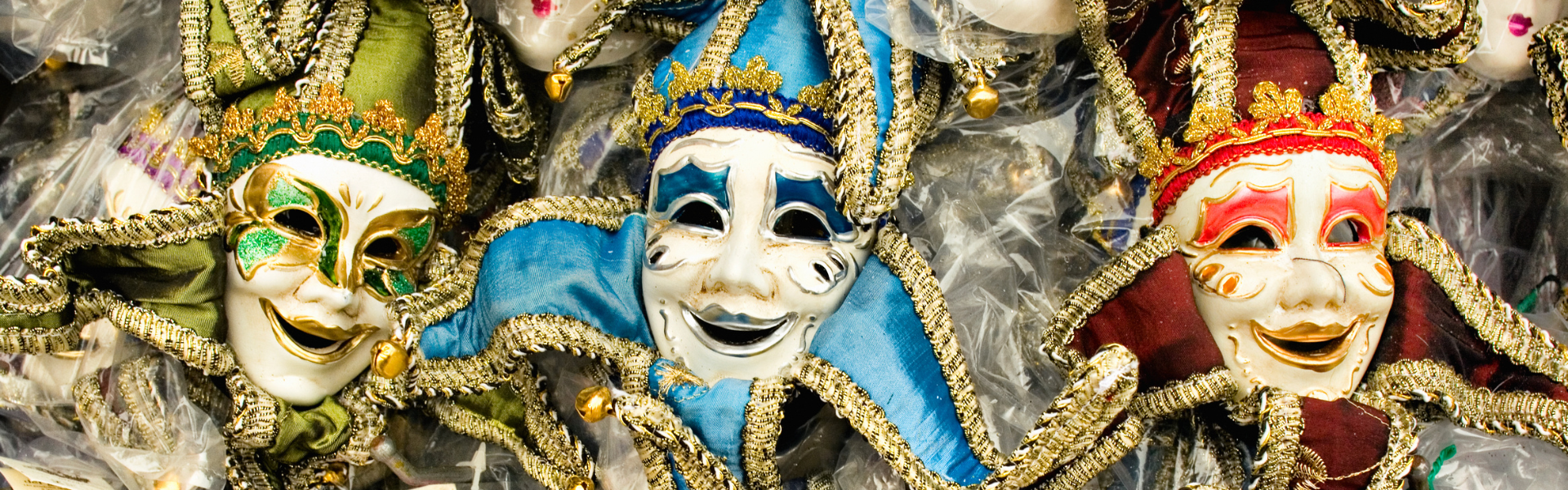
Carnival has always been one of the most eagerly awaited and distinctive celebrations in Italy, a time when tradition, culture, and fun blend into spectacular events that light up cities from north to south. In 2025, Carnival will conclude on March 4, the traditional Mardi Gras, but celebrations will start much earlier and last for several weeks across the country.
Here’s an overview of the main Carnival events taking place in Italy between January and February.
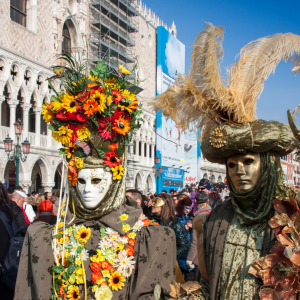 We begin with one of the most famous Carnivals in the world, known for its elegant masks and historical costumes parading through the canals and squares of Venice. The 2025 edition, starting on February 14, celebrates “The Time of Casanova”, paying tribute to the famous Venetian adventurer on the 300th anniversary of his birth. A day at the Venice Carnival is a unique experience in an enchanting location that will leave you speechless (https://carnevale.venezia.it/).
Another internationally renowned Carnival is Viareggio, famous for its huge papier-mâché floats, often satirical and inspired by current events. The Viareggio Carnival is an explosion of color and creativity, bringing the Tuscan city to life with parades and parties, both day and night, starting from February 8 and continuing every weekend until March 4 (https://viareggio.ilcarnevale.com/).
Moving to Piedmont, we arrive in Ivrea, where the Battle of the Oranges is the most famous tradition. This unique event symbolizes the rebellion against tyranny, with participants dressed in medieval costumes engaging in a spectacular orange-throwing battle, reenacting historical events from the city (https://www.storicocarnevaleivrea.it/).
In the Marche region, the Fano Carnival is one of the oldest in Italy, known for the “getto”, where sweets are thrown to the public from the floats (https://www.carnevaledifano.com/). The parades, accompanied by music and performances, create a joyful atmosphere for all ages. This year, celebrations will take place on February 16, 23, and March 2. In neighboring Emilia-Romagna, the Cento Carnival offers a similar festive spirit on the same dates (https://www.carnevalecento.com/).
On the opposite coast, Tuscany hosts several Carnival events, but the most famous is in Putignano. Recognized as one of the longest-running Carnivals in Europe, its celebrations include parades of allegorical floats, traditional masks, and cultural events, animating the Apulian town for over two months (https://www.carnevalediputignano.it/).
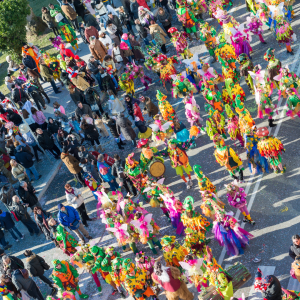 In Sicily, one of the most stunning Carnival celebrations takes place in Acireale, famous for its flower-adorned floats and masked parades, filling the streets with color and fragrance, offering a spectacular experience for visitors (https://www.carnevaleacireale.eu/).
Inspired by the Renaissance and Baroque Roman Carnival, the Carnival of Ronciglione features historical parades, horse races, and traditional masks, making it the most significant event in this Lazio town (https://www.carnevaledironciglione.org/it/).
Back in Tuscany, the Foiano della Chiana Carnival is one of the oldest in Italy, now reaching its 486th edition. The four teams of the town compete in creating the most impressive allegorical floats, in a competitive yet festive atmosphere that involves the entire community (https://www.carnevaledifoiano.it/).
In Lombardy, the Gran Carnevale Cremasco (https://www.carnevaledicrema.it/ ) offers allegorical float parades, workshops for children, and local food tastings, transforming the town of Crema into a lively hub of festivities and traditions. In Liguria, one of the most famous celebrations is the Carnival of Loano.
These events are just a glimpse of the many festivities that bring Italy to life during Carnival season. Every region offers unique traditions and celebrations, making Carnival the perfect time to discover the rich cultural heritage of Italy.